



Dental Crowns
When a tooth becomes damaged, weakened, or heavily decayed, dental crowns provide a reliable solution for restoring both strength and appearance. Understanding the types of dental crowns and cost can help you make the right decision for your dental health and budget.
Modern crowns are designed using advanced materials that mimic the look and function of natural teeth offering a durable and beautiful solution for long term oral restoration.
What Are Dental Crowns?
A dental crown is a custom made cap that fits over an existing tooth or dental implant. It restores the tooth’s shape, size, strength, and appearance while protecting it from further damage
Crowns are often recommended for:
Teeth that are cracked or broken
Large fillings or extensive decay
After root canal treatment
Discolored or misshapen teeth
Tooth restoration on top of an implant
Crowns play a vital role in restorative dentistry, ensuring patients regain both functionality and confidence in their smile.
Types of Dental Crowns
There are several types of dental crowns, each offering different levels of strength, appearance, and cost. Your dentist will help determine which type best suits your specific needs and goals.
Porcelain Crowns
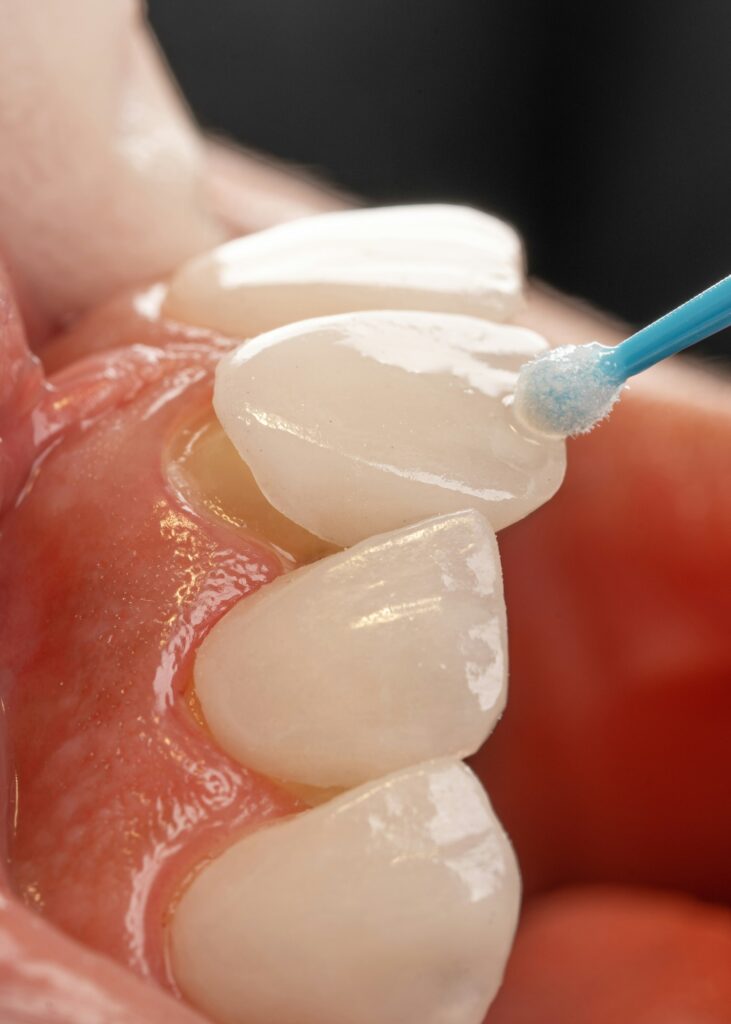
Porcelain crowns are popular for their lifelike appearance. They blend seamlessly with your natural teeth, making them ideal for front teeth restorations. These crowns are highly aesthetic but may not be as strong as metal-based options.
Porcelain-Fused-to-Metal (PFM) Crowns
PFM crowns combine the durability of metal with the natural look of porcelain. They are strong enough for molars yet aesthetically pleasing for visible areas. However, a slight gray line may appear near the gum over time.
Zirconia Crowns
Zirconia crowns are known for their superior strength and biocompatibility. They resist chipping and cracking, making them a long-lasting option. These crowns are great for both front and back teeth and are increasingly popular in modern dental practices.
Gold Crowns
Gold crowns are incredibly durable and gentle on opposing teeth. While they don’t match the natural tooth color, they are ideal for molars due to their longevity and resistance to wear.
Composite Resin Crowns
Composite crowns are a cost-effective choice made from tooth-colored resin material. They are less durable than porcelain or metal crowns but can be easily repaired and replaced when necessary.
Types of Dental Crowns and Cost
When evaluating types of dental crowns and cost, prices vary depending on the material, and complexity of the case.
Here’s a general cost breakdown per tooth:
Porcelain crowns: $2,000
PFM crowns: $1,800
Zirconia crowns: $2,500
Gold crowns: $2,500
Composite resin crowns: $800
Other factors that influence the cost of dental crowns include:
Additional treatments (such as root canals or buildups)
Lab fees and materials used
Dental insurance coverage
In many cases, insurance may cover part of the cost if the procedure is restorative rather than purely cosmetic.
The Dental Crown Procedure
Getting a crown usually takes two appointments:
Consultation and Preparation – Our dentist examines your tooth, removes damaged material, and reshapes the surface. An impression or 3D scan is taken to create a custom crown.
Temporary Crown – A temporary crown protects the tooth while your permanent crown is made in the lab.
Final Placement – The permanent crown is carefully fitted, adjusted, and bonded for a precise and natural finish.
With today’s digital technology, some clinics also offer same-day crowns using CAD/CAM systems for faster results.
Benefits of Dental Crowns
Dental crowns are a powerful restorative solution offering long-term value:
Restores tooth strength and function
Improves appearance and alignment
Prevents further decay and damage
Durable and long-lasting (10–15+ years)
Custom-designed for a natural look
With proper care, crowns can last for many years helping you maintain a strong, healthy, and confident smile.
Caring for Your Dental Crowns
To protect your investment, maintain good oral hygiene by brushing twice daily, flossing regularly, and visiting your dentist for checkups. Avoid biting hard foods, ice, or non-food objects, which can damage both crowns and natural teeth.
Regular professional cleanings and consistent home care will keep your crowns looking and functioning at their best.
Are you prepared to set up a checkup?
Our team of experienced professionals is ready to give you the best dental care.