



Dental Implants
Missing teeth can impact not only your smile but also your confidence and ability to chew properly. Dental implants have become one of the most trusted solutions for tooth replacement, offering a natural look and long-term stability. Understanding the types of dental implants available helps patients choose the best option for their needs, comfort, and lifestyle.
Modern dental technology has made implants safer, more durable, and more compatible with natural bone and tissue making them the gold standard in restorative dentistry.
What Are Dental Implants?
A dental implant is an artificial tooth root made from biocompatible titanium or zirconia. It’s surgically placed into the jawbone to support a replacement tooth, bridge, or denture. Once the implant integrates with the bone through a process called osseointegration, it becomes a strong and permanent foundation for your restoration.
Dental implants restore both function and aesthetics, helping patients speak, eat, and smile with confidence.
Types of Dental Implants
Different types of dental implants are available to suit various oral conditions and treatment goals. The choice depends on jawbone density, number of missing teeth, and overall oral health.
Endosteal Implants
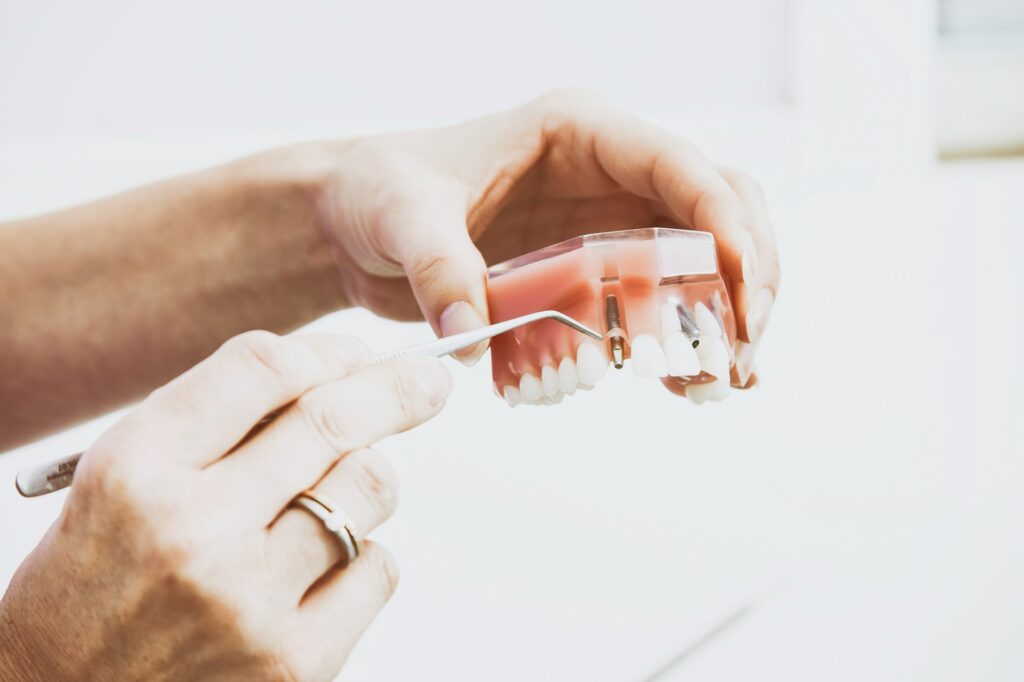
Endosteal implants are the most common type used today. They are placed directly into the jawbone and usually made of titanium. Once healed, a small connector post (abutment) is attached, followed by a custom dental crown or bridge.
Best for: Patients with sufficient jawbone density.
Advantages: Long-lasting, stable, and feels like a natural tooth
Subperiosteal Implants
Subperiosteal implants are placed under the gum but above the jawbone, supported by a metal framework. They are typically recommended for patients who lack enough bone height or density and prefer not to undergo bone grafting.
Best for: Those with limited bone structure.
Advantages: Less invasive and shorter healing time.
Zygomatic Implants
Zygomatic implants are longer and anchor into the cheekbone (zygoma) rather than the jawbone. They’re used in cases of severe bone loss in the upper jaw where traditional implants can’t be placed.
Best for: Patients with upper-jaw bone deficiency.
Advantages: Avoids complex bone graft procedures and provides immediate stability.
Types of Dental Implant Restorations
Beyond the implant posts themselves, there are different restoration types depending on how many teeth need replacement:
Single-Tooth Implant – Replaces one missing tooth with a single crown on one implant.
Implant-Supported Bridge – Uses two or more implants to replace several adjacent missing teeth.
Implant-Supported Dentures – A removable or fixed denture anchored by multiple implants for improved comfort and function.
All-on-4 / All-on-6 Implants – A full-arch restoration supported by four to six implants, ideal for patients missing most or all teeth.
Each system offers distinct benefits in terms of cost, comfort, and long-term durability.
Advantages of Dental Implants
Choosing dental implants over other tooth replacement options provides several long-term benefits:
Preserve jawbone density and prevent bone loss.
Look and feel like natural teeth.
Enhance bite strength and allow normal chewing.
Support facial structure and prevent sagging.
Last for decades with proper care and maintenance.
Implants also eliminate the discomfort and maintenance issues associated with removable dentures.
Cost Factors for Different Types of Dental Implants
The cost of dental implants varies depending on the types of dental implants used, number of implants required, and complexity of the procedure.
Typical price ranges per implant:
Single implant: $3,000
Abutment and crown: $2,000
Full mouth (All-on-4): $25,000 – $30,000 per arch
Other cost factors include bone grafting, diagnostic imaging, sedation, and post-surgery care. While implants are a significant investment, they offer unmatched durability and long-term value compared to bridges or dentures.
Most dental insurance plans now offer partial coverage, particularly when the treatment is medically necessary.
The Dental Implant Procedure
Consultation and Examination – The dentist evaluates your bone structure and oral health using digital imaging.
Implant Placement – The titanium post is surgically inserted into the jawbone under local anesthesia.
Healing Period – Over several months, the implant fuses with bone tissue.
Abutment and Crown Placement – A custom restoration is attached for a natural finish and full function.
Some clinics also offer same-day implants, where both the post and temporary crown are placed in a single visit, depending on the case.
Caring for Dental Implants
Maintaining dental implants is similar to caring for natural teeth. Brush twice daily, floss regularly, and schedule professional cleanings every six months. Avoid smoking, as it can slow healing and affect implant success. With proper hygiene and care, implants can last 20 years or more.
Are you prepared to set up a checkup?
Our team of experienced professionals is ready to give you the best dental care.